elder abuse

How to Address Abuse in Senior Living

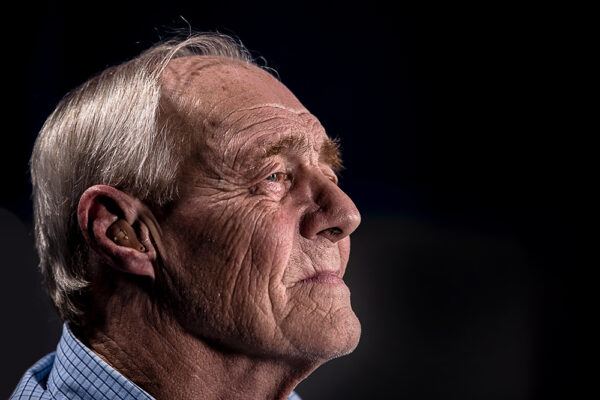
If you have an elderly family member or friend living in an assisted living or skilled nursing facility, it is imperative that you stay attuned to the signs of abuse to your loved one. The National Center on Elder Abuse reports the most common types of abuse include physical (29%), psychological (21%), gross neglect (14%), financial exploitation (14%), and sexual abuse (7%). While the facility’s staff perpetrates the majority of these abuse cases, 22 percent of cases are a result of resident on resident abuse. However, these statistics reveal only part of the story.

While abuse of senior residents is not the norm, according to McKnight’s Senior Living, it is a persistent and pervasive problem. Federal and State lawmakers are emphasizing the role of regulations and public policy to identify and decrease the abuse of residents while continuing to improve care quality. Once a comprehensive set of US standards for care are established, facility owners and employers will have to adhere to the best practices as outlined in order to be in compliance and eliminate resident abuse.

Besides elder abuse being a persistent and systemic problem, it is also an under-reported one. Because it is under-reported, statistical data integrity is suspect. Typically, the resident who encounters abuse is 65 years or more, and the vast majority of those who are especially at risk exhibit moderate cognitive impairment or are living with dementia. Because of their medical conditions, these seniors are often unable to communicate about or report the abuse they experience, and so it continues unabated and without consequence.

To address the abuse problem requires a multi-pronged strategy. Raising awareness of abuse and educating family members, caregivers, and managers to look for signs of abuse every day with every resident is crucial. Knowing the signs of neglect and abuse include skin tears, multiple fractures or long bone fractures as well as a resident’s inability to explain bruises. Bruising of the chest, breasts or genital regions, a sexually transmitted disease, bloody discharge, and unusually stained underwear are signs of sexual abuse. Medical neglect or abuse manifests itself both physically and psychologically. Symptoms include a resident’s poor hygiene, unintended weight loss, and dehydration. Other symptoms are marked by suspicious wounds, and poor case management of medical conditions, unmonitored prescription medications, depression, anxiety, and social withdrawal.

Certification and licensing verification, as well as criminal background checks, should be mandatory before hiring employees or volunteers to work with residents. Those individuals found guilty of any form of abuse or who have disciplinary action against their professional license should not be considered for hire. All qualified new hires should be trained on the facility’s abuse prevention policy before working with residents, and continuing education about abuse should be mandatory.

Training should encompass all aspects of potential resident abuse, mistreatment, and neglect for all staff and volunteers. Topics to cover should consist of ways to identify those residents at risk, recognizing the signs of abuse, how to properly report the violation without fear of reprisal, and understanding the Resident Bill of Rights. Staff should be trained on how to respond appropriately to difficult resident behaviors and recognize symptoms of caregiver burnout in themselves or other staff members.

Prevention policy should cover a range of procedures. Before a resident moves in, there should be an assessment made about their potential vulnerabilities. Continuing evaluations and documentation of any resident changes should be routine. Appraisals should include a review of the facility’s physical environment, number of residents, and requirements as to the risks of guarding against admitting a predatory offender as a resident. All of these preventative strategies are guided by specific Federal, State, and statutory requirements.

Reporting and response time are critical when abuse is alleged particularly in the case of serious bodily injury. Generally, most State laws and statutory requirements deem that within two hours of such an abuse a report must be filed. If abuse is not alleged and there is no evident serious bodily harm, the general rule is that it should be written up within 24 hours. Reports are filed with the facility’s executive director, state authorities, and law enforcement. Families should always be notified of allegations of or signs of abuse.

By employing these prevention techniques, focusing on policies and procedures as well as ongoing educational training, senior care residences can become a living environment where resident abuse is an unlikely event. Managing abuse risk is a significant factor in successful senior living. If your loved one is in a senior living facility, be sure to understand their vulnerabilities and the policies and procedures in place to prevent abuse.

If you have questions or would like to talk about your situation, please don’t hesitate to contact our Norman, Oklahoma office by calling (405) 241-5994.


LGBTQ Couple

Important Estate Planning Considerations for LGBTQ Couples

Everyone needs estate planning. Regardless of your age, race, gender, or sexual orientation, properly protecting your future and your loved ones requires a plan. For LGBTQ couples, there are a few things you should consider when thinking about crafting an estate plan. Each couple is unique, and it is our goal to ensure that your personal wishes are carried out and that no one else is dictating what should happen with your money, property, or children.

Existing Estate Planning

If you have already had estate planning documents prepared, you should review them periodically. If your estate planning documents were signed prior to 2015, it is crucial to have a qualified estate planning attorney review them, as same-sex marriage is now recognized in all fifty states. This recognition could open up new planning opportunities that may not have been available to you in prior years if you and your partner are now married.

Marriage

As previously mentioned, with same-sex marriage recognized in all fifty states, now is an opportunity to decide, if you are not married already, whether you and your partner should tie the knot. While there are a lot of emotions behind marriage, there are also estate planning and tax considerations. Depending on your situation, we can sit down and make sure that your estate plan is drafted in such a way that ensures all of your wishes—emotional or financial—will be carried out.

Children

If you have biological or adopted children, you will need to name someone to take care of them should something happen to you. This is especially important if your partner is not the children’s legal parent. Without the proper appointment, the court could end up placing your children with someone you would not have chosen. Alternatively, if you would like to provide for your partner’s children, but you have not adopted them, you will need to make sure that your will or trust specifically states what you would like the children to receive since they would not be entitled to anything otherwise.

Your “Family”

Absent estate planning executed by you, state law will fill in the gaps by defaulting to your spouse or blood relatives. For some unmarried individuals, these could be the last individuals you want acting on your behalf or receiving your money and property. If you and your partner are not married and do not plan to get married, you will need to make sure that your estate planning specifically appoints them to the roles (e.g., personal representative, trustee, agent under a power of attorney, or patient advocate under a medical power of attorney) you want them to have and designates what your partner is to receive at your death. If you have good friends that you consider to be your family or causes that are close to your heart, you will need to have an executed estate plan to protect and provide for your true “family,” whether or not they are blood relatives.

Reducing Conflict

Additionally, if you are estranged from your family, proper planning can ensure that they will have little or no involvement in your affairs after your death, reducing the possibility of contests. This can be done by using a trust to distribute your money and property so that there is no court involvement and only those named in the trust have access to the necessary information, by explicitly stating in your will which family members are to receive nothing and by including no-contest provisions in your documents.

We are here to help you navigate this sensitive issue. Estate planning can provide you with the peace of mind that comes with knowing that your wishes will be carried out in the way you want after you are gone. Please give us a call so we can schedule an appointment to get you on the path toward protecting your loved ones.

Aging Could Be Better Living with Multiple Generations

Master plans for inter-generational community living models are changing the shape of the aging experience from the ages of 8 up to 80 years of age and beyond. Dubbed “new urbanism” it is the belief that a living environment with high standards can have a positive effect on the quality of life, local economy, and public health. The goal of new urbanism for older adults is the offering of an active lifestyle enhanced by a vibrant and bustling community composed of varying ages and ethnicities. This can help keep the brains of aging adults more agile as they challenge themselves to socialize with new people of all ages, backgrounds, and world views.

Inter-generational living is similar to multi-generational homes, just on a larger scale. Many of today’s older Americans want to maintain a connection to their community at large; offering their life experiences, knowledge, wisdom, and skill sets that can enhance lives for people of all ages. While living in a multi-generational home provides the same opportunity, the scale and needs of the people change when it is opened up to those outside of a nuclear family system. While some aging Americans prefer a retirement community of similarly aged people, many older adults are finding increased vitality and quality of life mixing with children, teens, young adults, and middle-aged people. Many aging adults prefer the stimulation of being associated with a non-homogenous group, and with their life expectancies increasing and overall health levels improving these inter-generational communities are becoming a popular lifestyle solution.

Decades ago, these types of multi-generational homes and communities would have been the norm. The Pew Research Center has reported that in the 1900s, fully 57 percent of Americans 65 and over lived with their children, grandchildren, and other family members. Communities were highly integrated into everyday life. However, the post World War II era ushered in an increase in education and loans to buy homes and start businesses. The opportunities scattered many families across the US in search of building a more prosperous life. By 1990 another Pew Research report found that only 17 percent of those 65 and older lived with their families. Now, nearly in 2020, the downward trend is reversing due to several reasons.

Immigration is one factor that explains the trend reversal. It is very commonplace around the world that multi-generational family systems live together and communities are very integrated. Longer life expectancy and the cost of continuing care retirement communities and long term care are other reasons families seek to live together. A delayed marriage pattern of younger people, as well as “boomerang” youth, are other reasons for the pattern reversal. Many children coming out of college have student loans and often wind up moving back in with parents or grandparents until they can get out of debt.

Inter-generational communities are not complex to build. Thoughtful designs of parks where park benches face each other to encourage conversation, dog walking parks, festivals, live music, art programs and more are just some of the uncomplicated techniques that help break down barriers between different age groups of people and help aging adults stay vital and integrated into life. Older Americans can experience reduced depression and loneliness, better mental stimulation, more daily activities, and can build relationships that will help them learn to rely on others, as others learn to rely on them.

Tasks like grocery shopping can be simplified if an older adult provides a shopping list to a younger community member and watches over their children while groceries can be obtained for both the younger family and the older adult. Oversight by community developers can create programs that encourage this sort of “bartering” of tasks because just plunking people in the same physical space does not necessarily build connections.

Building these inter-personal partnerships in an inter-generational community will help older adults continue to age in place and rely on community rather than a big bank account to pay for much of the help they might need. While many people opt for aging in place at the age of 50, some are interested enough in this movement of new urbanism and its many benefits, committing to the process in their thirties.

Nobody wants to have to leave their lifelong home because of aging. Many seniors are finding every day to be an adventure with never a dull moment living in inter-generational communities. Aging Americans can lead fuller and happier lives by staying invested in the process of being connected to all ages.

If you need help planning for your future or the future of a loved one, please get in touch with our Norman, Oklahoma office by clicking here to send us a message or by calling us at (405) 241-5994.

hearing loss

Surprising Health Side Effects of Hearing Loss

The findings from a 10-year study by the Journal of the American Medical Association (JAMA) have reported a link between hearing loss and health risks. The risks include a 50% greater risk of dementia, a 40% greater risk of developing depression and a nearly 30% higher risk of accidental falls. While hearing loss is becoming more prevalent in younger people due to the use of earbuds and noise pollution, it is the elderly population who are more quickly and significantly affected by adverse health risks because of their hearing loss.

There is a wide range of reasons that account for hearing loss. Some are genetic while others include noise exposure, medications, head injuries, and infections. While hearing loss is a frustrating experience for those who have it, along with their loved ones, the worst option is to ignore the condition. The sooner your hearing is tested, the better your ability to proactively save yourself from associated health risks due to hearing loss. According to Johns Hopkins University, brain scans indicate that loss of hearing has even been associated with more rapid rates of brain atrophy.

One of the first symptoms of hearing loss is trouble detecting high-pitched or soft sounds. This form of hearing loss is associated with stereocilia, which is the damaging of the fragile hair cells that convert sound waves into electrical signals your brain can understand. For example, high-pitched sounds might include children’s voices while soft sounds include phone conversations or background noise in a restaurant. If you are having any trouble hearing these softer or high-pitched sounds, make an audiologist appointment for a hearing assessment to get a baseline reading. Loss of hearing contributes to social isolation and the longer you wait to address hearing loss, the greater the risk of cognition problems. Meaning, you may hear the words but not be able to process their meaning.

Other than cost, there is no downside to hearing aids anymore. They are discreet, easy to learn how to use, and professionally adjustable over time to compensate for increased hearing loss. Once you factor in the cost of a potential fall, increased risk of dementia, social isolation and depression, the cost of a hearing aid is comparatively minimal. If your hearing loss is profound already, there are cochlear implants, which are devices implanted into the inner ear to stimulate the auditory nerve. These devices can help to restore sound perception in adults with more extreme hearing loss. Your walking motor skills are dependent upon your hearing to pick up subtle cues that help you maintain your balance. Hearing loss mutes these critical cues and makes your brain work harder to pick up sounds, which can then interfere with some of the mental processes needed for safe walking.

While it is not yet proven that treating hearing loss can prevent dementia, unintended falls, or social isolation and depression, it is important to investigate as more than two-thirds of adults over the age of 70 have significant hearing loss that can impact their everyday quality of life. Older adults with hearing problems left untreated also incur substantially higher overall costs of health care. At the ten-year mark of untreated hearing loss in an older adults, the incidence of hospitalization increases by 50% or so. There are also higher rates of hospital readmission and an increased likelihood for emergency room visits when compared to those elderly adults without hearing loss.

Communication between patient and health care provider is also problematic for those adults with hearing loss. A patient has less participation in their health care plan and can often become confused as to their diagnosis and possible courses of action for treatment.  Also, following instructions post appointment or hospital discharge can be problematic. Costs associated with untreated hearing loss have prompted both health care companies and insurers to find better ways to serve patients with hearing loss.

Nearly 27 million Americans age 50 or more have hearing loss while only one in seven uses a hearing aid or implant device. Hearing is often the most overlooked of the five human senses: taste, sight, touch, smell, and sound. Your ability to hear is incredibly important and the longer you put off addressing a hearing problem, the greater the possibility of associated adverse health events. Make good hearing part of your overall plan to age successfully. Like retirement planning and elder law planning, the sooner you address the issue, the better the outcome will be.

Contact our office today by calling (405) 241-5994 and schedule an appointment to discuss how we can help you with your planning or planning for a loved one.

Government

Is the Government’s COLA Tool Flawed?

A non-partisan advocacy group called The Senior Citizens League (TSCL) has a new analysis that asserts the federal government measuring tool to calculate the Cost-of-Living Adjustment (COLA) is flawed. The decrease in social security benefit monies that are paid to seniors is eroding their financial protection against rising costs. Changes in the COLA is tethered to the Consumer Price Index for Urban Wage Earners and Clerical Workers Index (CPI-W), which determines the inflation rate for a basket of goods and services from one year to the next, affecting more than 64 million beneficiaries next year. The Bureau of Labor Statistics (BLS) has released its annual CPI-W data from Quarter 3 since 1975, providing the final inflation number needed by the Social Security Administration (SSA) to calculate a given year’s COLA.

The CPI-W has eight major spending categories, each with its subcategories, which receive a weighting to establish the movement in price, thus determining inflation costs.

Seniors and groups that represent senior interests note that the CPI-W does a terrible job representing the actual increase in the cost of living that aging Americans face. The spending habits of urban wage earners and clerical workers, most of whom are younger than 62, hardly represent the expenditure of those seniors 62 or more.

In December of 2011, the Bureau of Labor Statistics did a comparison using the CPI-W and the more experimental CPI-E, or Consumer Price Index for the Elderly. The CPI-E, as the name implies, accounts for the spending habits of those Americans age 62 and older. What the BLS found was profoundly notable. CPI-E medical spending was twice that of the CPI-W, and senior housing costs were also markedly higher. Concerning medical care and housing, the CPI-W regularly underweights the most critical inflationary expenditure categories of seniors. Higher weighted categories of the CPI-W are in areas such as education, food, and apparel.

With minimal and sometimes no increases in COLA over the past decade (2010, 2011, and 2016 due to deflation), seniors have felt the strain of medical and housing costs severely. Even the 2 percent COLA increase of 2018 was eaten up for many seniors by increases in Medicare Part B premiums. Senior purchasing power has declined over the past decade due to low or no COLAs based on flawed projections for the elderly using the CPI-W. A social security policy analyst with TSCL, Mary Johnson, ran the numbers and found that the purchasing power of the social security dollar in real terms has declined by 18 percent in the past ten years. That is real money to many American seniors who are on a fixed income. The Senior Citizens League is recommending the government pass a permanent COLA of 3 percent as the lowest threshold to protect elderly retirement savings and help keep seniors out of poverty.

The truth about social security benefits is many rules tweak your payout. One set of regulations calculates your baseline retirement benefit; while another set of rules defines how that number will change depending on the age you choose to take your benefits. Still, other government controls will determine whether or not you will receive a cost-of-living increase or not and what percent that COLA will be.

Congress agrees there is a need to change how COLAs are calculated to reflect senior spending habits with greater accuracy. Congress, however, disagrees as to how to achieve the goal. The purchasing power protection mechanism of the COLA is most beneficial for seniors when there is data integrity in its calculation. Consumer price indexes that reflect senior (age 62 or more) purchasing habits and needs will allow for proper weighting of all categories and subcategories that the BLS reviews. The CPI-W has consistently come up short regarding data that reflects senior spending in the medical and housing categories. This truth is unsurprising as the CPI-W accounts for only about 29% of the US population most of whom are far younger than 62. There needs to be a political process to change COLA calculations to protect the real purchasing power of senior social security benefits.

If you need help with your personal planning or planning for a loved one, please don’t hesitate to reach us at our Norman office by clicking here to send us a message or by dialing us at (405) 241-5994.

Elderly couple sitting on a bench.

Making Sure Your Wishes Are Carried Out

The importance of making end of life preparations cannot be stressed enough. Many put off making these plans thinking there is always time. The sad reality is that none of us are guaranteed time. Others may be bothered by the thought of death itself and allow this to paralyze them when it comes to making plans and getting their affairs in order for the end of life. However, most of these same people have wishes and thoughts about where and to whom their assets are distributed. Many of them also have ideas about what they do and do not wish to have happen when their life ends. Lack of preparation and planning means that these wishes likely will not be honored. In addition, it causes additional strain and stress on the people who are left to sort out the affairs. An example of this is the story of Debbie.

Debbie was a teacher who had been retired for several years. She was aging alone. She never married and had no family around. She did have a small circle of friends. After retirement, Debbie’s health progressively declined and she had more and more difficulty caring for herself. After a few years, Debbie passed away in her home.

Previously, she had conversations with a handful of her friends telling them her wishes for the possessions and assets she had. Because of these conversations, these friends each thought she had made the proper preparations to ensure these wishes would be followed. Unfortunately, Debbie had none of the necessary end of life documents that would allow her wishes to be followed. Her friends were left to try to piece together a puzzle that only many missing pieces. Her burial was prolonged and what she did have after paying expenses to settle the estate and bury her will not end up where Debbie wanted. This scenario can, however, be avoided.

If you or your elderly loved one have not made end of life preparations, make time to do so as quickly as possible. An elder law attorney can help guide you in what you should be doing, and can make sure the proper documents are in place to carry out your wishes regarding your health, care you want (or don’t want) to receive, and who should receive your money and possessions.

The first key document to be sure you have is a will or a living trust. A will allows you to specify where your money and possessions should go upon your passing. It also allows you to choose an executor of the estate. The executor will take care of managing the estate, paying debts, and distributing property as specified. A will only takes effect upon your death.

A living trust does everything a will can do but also allows you to choose someone to manage your assets if you become incapacitated because it is effective during your lifetime. A living trust also provides privacy, as it is not subject to court proceedings that become open to the public like a will is. There are numerous other advantages to a living trust that can be explored with the help of an attorney.

A living will and health care power of attorney are two additional documents that take effect while you are alive. A living will specifies your wishes for end-of-life medical care. For example, you can specify whether you want to be kept alive by artificial means if you are in a terminal state. A health care power of attorney provides for someone to make health care decisions for you, in case you aren’t able to make decisions yourself.  Both of these documents outline your wishes about medical treatment and care when you can’t make them for yourself, so it’s important to seek legal guidance to make sure these documents are drafted properly.

A financial power of attorney should be in the plan as well. A financial power of attorney names an agent to handle your finances in the event you are no longer able to.  An agent can open and close bank accounts, write checks, and sell property if you choose to allow them the authority to do so. Like the health care power of attorney, the financial power of attorney should be created with legal advice to make sure your wishes regarding your finances are properly documented.

Having an estate plan is necessary for you to have a say in what happens if you become sick and cannot make decisions for yourself, and to determine what happens with your money and your belongings after death. An estate plan also helps those who are left to deal with the estate to do so in a more simple and straightforward manner.

If you have any questions about something you have read or would like additional information, please feel free to contact our Norman, Oklahoma offices by clicking here to send us a message, or call us at (405) 241-5994.

Probate: Top 3 Tips for Executors

Your loved one has passed away. Now you find out they named you as Executor of the Will. In what is already a stressful time, a million thoughts pop into your head. How long will the probate take? Am I facing any legal liability? Can I receive payment for my services? Here are the top 3 tips for Executors:

Err on the Side of Disclosure

The Oklahoma Probate Code requires the Executor to give notice of any hearings. To whom should the Executor give notice? The Executor must mail copies of the notice of hearing to all heirs-at-law as well as beneficiaries named in the Will. However, in the interest of avoiding Will contests and Estate disputes, we advise our clients to go a step further. Oftentimes, dissension during the probate process boils down to family members being kept in the dark. Therefore, we advise our client to readily disclose information about the Estate upon request.

Deal with Taxes and Creditors

Before the Executor can close an Estate, he or she must file the decedent’s final individual income tax return. In addition, Oklahoma’s probate laws  require the Executor to publish a Notice to Creditors. Both of these steps are extremely important. If the Executor distributes the Estate without filing the taxes, then the Executor can be personally liable for paying them. Likewise, creditors may try to pursue the heirs individually if the Executor does not deal with their claims in probate.

Keep Track of All Expenses

The Executor must submit a final accounting to the court prior to receiving a discharge from their duties. For this reason, the Executor should document all expenditures incurred throughout the probate. What’s more, the Executor is entitled to compensation for serving in that role. The Executor’s fee is based on the size of the Estate.

In conclusion, probate is never a fun experience. Yet, by exercising full disclosure, handling taxes and creditor claims and detailing expenses, the Executor can make his or her job must easier. If you are in charge of an Estate and need help, do not hesitate to give our office a call.

Estate Planning: Benefits of a Team Approach

Who’s On Your Team?

Estate planning is not just about what happens to your stuff when you die. It is about coordinating all aspects of your life so (i) you can be taken care of during times when you are unable to care for yourself, and (ii) your money and property are distributed to the individuals you have selected upon your death, in the way you want.

While you may visit an estate planning attorney to have your legal documents (i.e., will, revocable living trust, powers of attorney, and living will) prepared, this is only one component of making sure that your ultimate estate and financial goals are carried out. In order to accomplish this large and important task, you need a team made up of the right players.

Introducing the Starting Lineup

An estate planning attorney helps by arranging your legal affairs so that trusted people are authorized to make decisions for you when you are unable and so that your money and property are handled and distributed as you desire after your death. As your legal counsel, we are well-versed in the strategies to accomplish this.

A financial advisor plays an important role by being able to understand your specific financial goals and investment objectives. He or she is able to craft a financial plan to ensure you have sufficient cash to meet your needs and live the lifestyle you want. They can also help ensure that there are ample resources available at death to pass on to your loved ones. If you are an individual with a high net worth, financial planning often moves beyond retirement planning to laying the foundation for multigenerational wealth transfer or achieving philanthropic objectives.

An insurance professional provides an analysis of your current and future insurance needs. For many estate planning strategies, life insurance is critical to ensuring that there are funds available to take care of all your beneficiaries. This is especially true if you own your own business or have other large accounts or valuable pieces of property that are difficult to divide between beneficiaries.

An accountant or CPA brings valuable tax planning strategies to the planning process. Although much of the focus in estate planning has historically been on estate taxes, a comprehensive plan must consider the impact of all taxes you and your beneficiaries may owe. While you may have great goals for the future, we want to make sure that they are not achieved at too high of a tax cost.

A spiritual advisor can offer insight and provide guidance to help you express what matters most to you. They can help you share lessons, stories, and experiences, along with moral, personal, and spiritual values with the next generation through your estate and financial plans. By approaching your planning from a spiritual or value-based perspective, you can shape how you are remembered. Planning with a focus on your morals, values, and beliefs also provides valuable context for your family about why an estate or financial plan is designed in the way it is and how your family can continue your traditions and use what has been left to them in a responsible and charitable way.

Who Needs This Type of Planning?

Employing a large number of advisors to assist you can seem like an overwhelming task and only necessary for the very wealthy, but everyone can benefit from this comprehensive approach. When everyone is on the same page, your team can work together seamlessly behind the scenes to make sure everything is taken care of.

Although the following list is not exhaustive, if you find that any of the following apply to you, then you will benefit from comprehensive estate planning.

  • Your will or trust is old
  • Your existing trust is unfunded
  • You have minor children
  • You have a child with special needs
  • Your child is bad at handling money or susceptible to other legal claims
  • You have gotten remarried and are now part of a blended family
  • You have gotten divorced or been widowed
  • You are unmarried but in a committed relationship
  • You are in a same-sex marriage
  • You own a large retirement account
  • You have charitable interests
  • You own your own business
  • Your children wear fur coats (you have a pet(s))

We Are Here to Help You Get Started

We are happy to work with any of your existing advisors or provide you with recommendations for advisors if you are interested in engaging their services. Call us today to schedule an appointment to review your existing plan or draft a comprehensive new estate plan using the team approach.

alzheimer's

The Hidden Impact of Alzheimer’s Costs

When policymakers consider the costs of dementias like Alzheimer’s disease, they consider both direct and indirect costs. Direct costs, in this instance, are the medical and social/non-medical care costs related to dementia; on average, expenses included $273 per month spent on medical supplies according to a 2018 study on the costs of dementia care. Indirect costs, on the other hand, include informal care and reduced productivity as well as impacted financial security for informal caregivers and their children. Dementia is one of the costliest diseases in society. In fact, it is the third most expensive disorder in the United States. And that is before factoring in the difficult-to-calculate or “hidden” costs.

These “hidden” costs, often indirect rather than direct costs, aren’t being considered by policymakers when making decisions related to dementia care. Examples include costs prior to diagnosis, the healthcare costs for family caregivers who develop health issues from the strain of caregiving, and cutbacks in family’s spending to support care. Almost 70% of caregivers reduced their living expenses to pay for caregiving costs in 2018; 34% reported spending between 21 and 100% of their monthly budget on caregiving expenses. These costs clearly represent huge portions of household wealth for those suffering from dementia and their families.

And then there are also costs that are difficult to calculate monetarily, such as impacts on quality of life. 76% of caregivers said that they have had to choose between taking time for themselves and providing care frequently or at least occasionally; 57% have had to choose between providing care and spending time with a partner; 62% had to choose between providing care and spending time with friends; and 49% had to choose between providing care and spending time with their children. Half of the current caregivers spend upwards of six hours a day providing care, which is a significant impact on their lifestyle and has resulted in many caregivers reducing their work hours or changing their work schedules.

Furthermore, costs per dementia case may be higher in the future. Health care costs, in general, are rising, and there is an expected shift of caregiving from informal to formal.

It can be daunting to consider how costly a dementia diagnosis can be. However, there are steps that can be taken to ensure your loved one is taken care of and that appropriate legal documents are in place that reflect their wishes about their home, their savings, and their care.

We help families come up with a plan to make sure a loved one who is diagnosed with dementia gets the best care possible without running out of money. Please don’t hesitate to reach out if we can be of assistance with your planning.

You may contact our Norman, Oklahoma offices by clicking here to send us a message or by dialing (405) 241-5994.

Read more:

Myths We Tell Ourselves About Estate Planning

Myths We Tell Ourselves About Estate Planning

Estate planning can be a very difficult process. While it’s not brain surgery, making the decision to move forward with the planning requires us to face the fact that we will not live forever. This thought can stop many people right in their tracks. Others talk themselves out of seeing a qualified attorney to put together an estate plan based on some of the following common myths:

Myth #1: Only the Rich Need Estate Planning

When we hear about estate planning on the news or read about it on the internet, it is usually in regards to a wealthy businessman or celebrity who made some error, did no planning, or has family members who are angry about the planning that was actually done. The topic catches people’s attention: Rich people have so much that surely they need planning and can afford to have the planning done correctly. By comparison, when the average person thinks about their own property and planning needs, they assume that it is not necessary because they do not  have anything close to Bill Gates’ billions.

However, this could not be further from the truth. Estate planning is about more than just the money. While proper planning allows you to determine who gets your money and property upon your death, the planning process also addresses what happens if you become incapacitated and someone has to make decisions on your behalf–a far more likely scenario. If you have not done any planning, the court will have to appoint someone to make your medical and financial decisions for you. This can be very time consuming, expensive, and public. It can also wreak havoc on a family if they disagree about who should be appointed and how decisions should be made.

Even for those of modest means, who gets your hard-earned savings when you die is an important consideration. Without any planning, state law will decide who gets what—and many times, what the government’s best guess as to what you would want is contrary to what you actually want. But, because you did not take the opportunity to formalize your wishes in an estate plan, the state has to step in and do it for you.

Myth #2: I Don’t Have to Plan Because My Spouse Will Get Everything

For many married couples, it is common to own property or bank accounts jointly. If these assets are owned jointly or as tenants by the entirety, when one spouse dies, then the surviving spouse automatically becomes the sole owner. In most cases, this is the desired outcome for married individuals.

However, this approach can be dangerous. While it is convenient for assets to pass automatically to the surviving spouse, this outright distribution offers no protection. What happens if, after your spouse dies, you get into a car accident and are sued? If the assets you owned jointly automatically became yours alone, this money and property are available to satisfy any judgment that could be entered against you resulting from a lawsuit.

Additionally, what if, after you die, your spouse gets remarried? If the brokerage account you owned jointly becomes your spouse’s only, your spouse is now able to spend it all in any way he or she wants without any consideration for your wishes or the next generation. Your spouse’s new spouse could go out and buy a sports car with the money you intended to pass to your children. With blended families being common today, this is a real concern for many people.

Estate planning does not mean that you have to disinherit your spouse. Rather, it means the two of you can sit down and plan out what happens to your joint property and accounts upon either of your deaths, ensuring that the survivor is provided for and that any remaining money and property are gifted in a way that is agreeable to both of you.

Myth #3: A Will Avoids Probate

Many people believe that once they have created a will—whether drafted by an experienced attorney, or using a DIY solution or online form— they have avoided probate. Unfortunately, they are wrong.

While a will is a great way to designate a person to wind up your affairs once you have passed, determine who will get your hard earned savings and property, and, if necessary, appoint a guardian to care for your minor children, this document has to be submitted to the probate court to begin the process of distributing your money and property. The level of involvement by the probate court can vary depending on the circumstances, but this process is not private, as the will becomes a matter of public record.

Summary Proceedings: In some states, if the value of your estate (i.e., what you own at your death) is below a certain monetary threshold, then anyone who is entitled to inherit from the decedent can file a petition and have the property distributed outside of the traditional probate proceedings. The filing may require a court appearance and formal legal notice to anyone who might be interested before allowing your property to be distributed.

Affidavit Procedure: Some states allow for an affidavit to be used to collect and distribute a decedent’s money and property. In some states, this affidavit can be self-executed, while others require that the document be filed with the court. Generally, affidavits require the passing of time from the date of a decedent’s death—ranging from a few days to a few months. After that, a “successor” to the decedent (a spouse or heir) signs the affidavit and presents the affidavit to collect the decedent’s assets for distribution to his or her rightful heirs.

Supervised Probate: With this type of proceeding, the probate judge oversees every step of the administration process and has to approve of the Personal Representative’s actions. During a supervised probate, all pleadings and required documents have to be filed with the probate court and then served on interested persons or parties. This can be a very time consuming and expensive process. Each time the Personal Representative has to take an action, a legal pleading has to be filed and served on the interested party, which, in contentious situations, opens up the possibility for disagreements and attorneys’ fees.

Unsupervised Probate: In cases where there are no controversies and the parties all get along, an unsupervised probate administration may be the best option. In this situation, although the administration is not supervised by a court, there are still actions the Personal Representative needs to take, but the Personal Representative may not be required to file petitions and documents for each of those steps. However, a Personal Representative may be required to file  some steps, such as the preparation of the inventory, with the court and the interested parties, but no corresponding hearing is scheduled. While this is less complicated and possibly less expensive than a supervised probate, it can still be time consuming and your financial and personal affairs would become a matter of public record.

We are here to help answer any questions you may have about estate planning, the estate planning process, or probate. Together, we can craft a one-of-a-kind plan to ensure that you and your family are properly protected. Give us a call today.

Ratings and Reviews

10.0Tyler R. Barrett
Tyler R. BarrettReviewsout of reviews